Thallophyta
Simple, autotrophic non-vascular plants with unicellular sex organs and no embryos. They are a group of immobile organisms without a common ancestor.
Features of Thallophyta:
A. Found in moist or damp areas due to the absence of “true roots” and vascular tissue needed to transport water and minerals.
B. Autotrophic - they manufacture their own food. But some members like fungi depend on others for food. Reserve food is typically starch.
C. Cell wall made of cellulose around cells.
D. Simple, single-celled sex organs. After fertilization, no embryo formation.
E. Vascular tissue (xylem and phloem) absent.
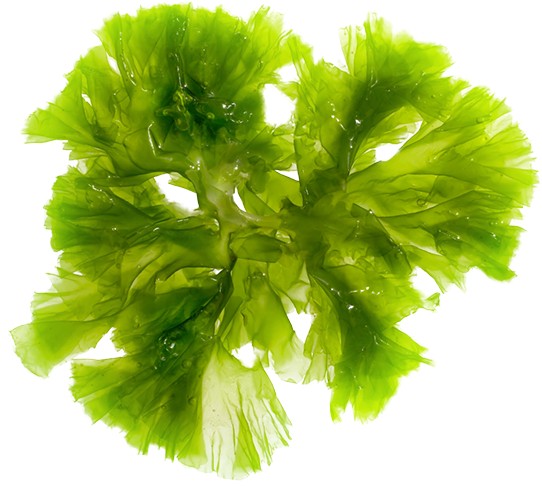

Chlorophyll-bearing autotrophic metalloids (mostly aquatic plants) without a common ancestor. Most algae require a watery environment; hence, they are abundant near or inside water bodies. Anatomically, they are similar to land plants. However, algae lack many structural components typically present in plants, such as true shoots, stems and leaves. Furthermore, they do not have vascular tissues to circulate essential nutrients throughout their body.
Features of Algae:
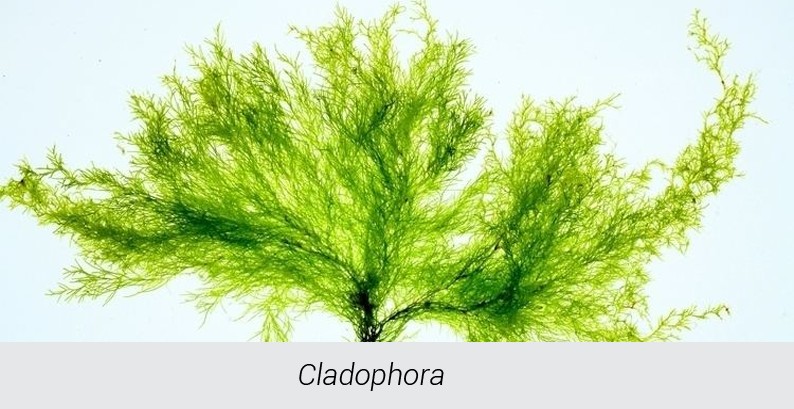
• Epiphytes: Growing on other plants (algae, angiosperms). Examples: Oedogonium, Cladophora, Vaucheria, etc.
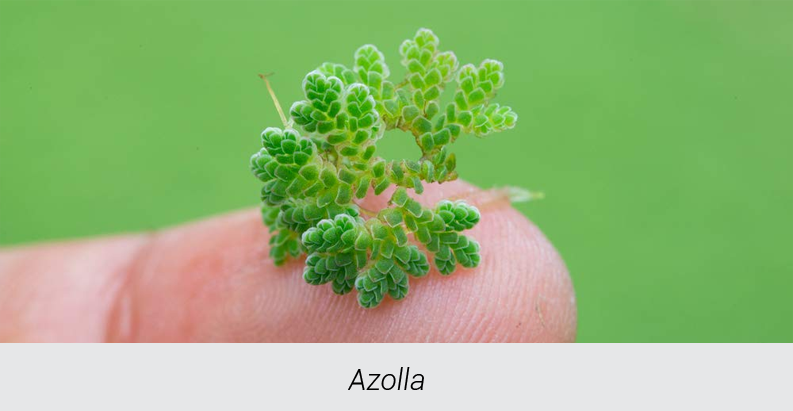
• Endophytes: Growing inside other plants e.g., Anabaena growing inside the leaf of Azolla (fern)
• Thermophytes: Growing in hot water.
• Cryophytes: Growing on ice and snow.
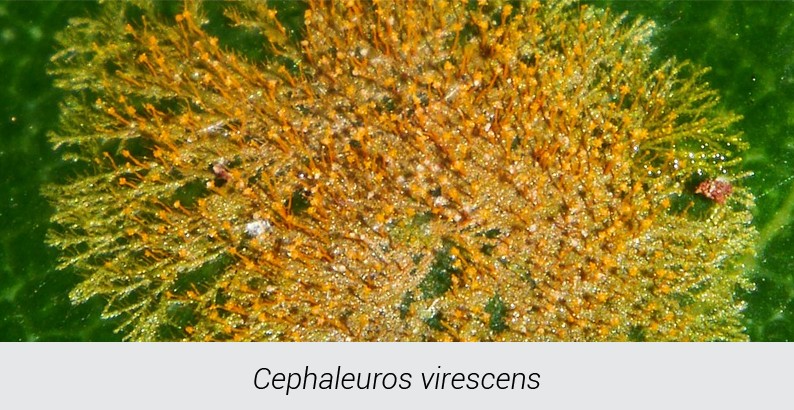
• Parasites: The alga Cephaleuros virescens grows a parasite on tea leaves.
These grow in specialized habitats:
• Can be either unicellular or multicellular organisms
• Lack a well-defined body, so, structures like roots, stems, or leaves are absent
• Both sexual and asexual reproduction occur. Asexual reproduction occurs by spore formation.
• Some form symbiotic relationships with other organisms
Algal Biofuel:
Declining environmental conditions have prompted the use of eco-friendly alternatives such as algal biofuel. It is an increasingly viable alternative to traditional fossil fuels. It is used to produce “green” diesel and jet fuel.
Examples of Algae:
Yeast - Eukaryotic, single-celled chemoorganotrophs - they use organic compounds as a source of energy and do not require sunlight to grow. Carbon is obtained from hexose sugars such as glucose or disaccharides such as sucrose. Yeast is used to make various kinds of food: bread, beer, wine, etc
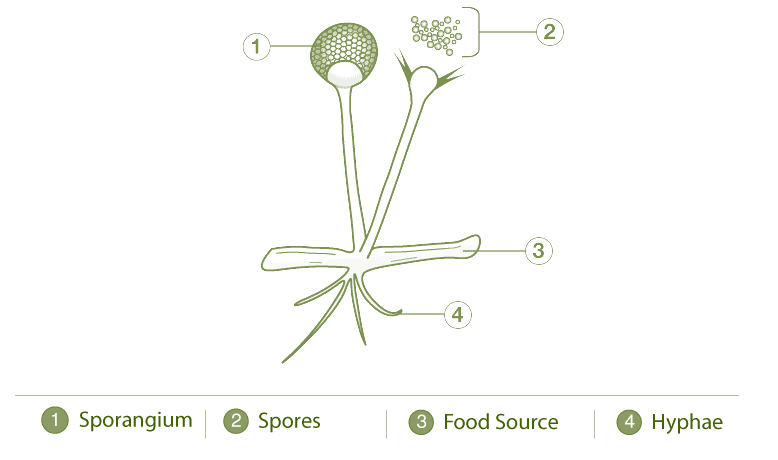
Features of Fungi:
•Eukaryotic, non-vascular, non-motile, and heterotrophic organisms.
•Could be unicellular or filamentous.
•Reproduce through spores. No embryonic stage. Mode of reproduction is sexual or asexual.
•Some fungi are parasitic and can infect the host.
•Since they lack chlorophyll, fungi cannot carry out photosynthesis. Stored food is starch.
•Produce a chemical called pheromone which leads to sexual reproduction in fungi.
•Examples: mushrooms, molds, yeast.
The structure of fungi is detailed below:
• Fungi can either be single-celled or multicellular organisms.
• Almost all of them have a filament-like structure except yeast cells.
• Fungi consist of long thread-like structures called hyphae. Together they form a mesh-like structure called mycelium.
• The nucleus is clear with chromatin threads, surrounded by a nuclear membrane.
• The cell wall is made up of chitin and polysaccharides. It also contains protoplasts that are segmented into other parts such as cell membrane, nuclei, cytoplasm, organelles, etc.
Fungi are achlorophyllous organisms and cannot prepare their food. They live as heterotrophs i.e as parasites and saprophytes.
1. Parasites: Usually obtain their food from a living host. Could be facultative or obligate. Obligate parasites survive and settle on a living host throughout their life. Facultative parasites are saprophytes that have turned parasitic.
2. Saprophytes: Procure their nutrition from decaying organic matter and detritus. Obligate saprophyte remains saprophytic during its entire lifetime. Facultative saprophyte is a parasite that has secondarily become saprophytic.
3. Symbionts: Some fungi develop in mutual association with blue-green algae such as lichen. Here the algae photosynthesizes and the fungus reproduces.
Uses of Fungi:
I. Food – Edible mushrooms are cultured and eaten.
II. Medicines – Many fungi produce antibiotics. Penicillin is derived from a common fungus: Penicillium.
III. Recycling – Help to recycle decayed matter.
IV. Bio-control Agents – Spores of fungi are used as insecticides on crops.
Yeast - Eukaryotic, single-celled chemoorganotrophs - they use organic compounds as a source of energy and do not require sunlight to grow. Carbon is obtained from hexose sugars such as glucose or disaccharides such as sucrose. Yeast is used to make various kinds of food: bread, beer, wine, etc
Bryophyta
Non-vascular primitive land plants present in moist regions. It has root-like, stem-like, and leaf-like structures. They are terrestrial plants but called “amphibians of Kingdom Plantae '' as they need water for sexual reproduction. Examples: mosses, liverworts, and hornworts
Features of Bryophytes:
•Do not have roots but have crude stems and leaves.
•Water is very essential for growth.
•They have “rhizoids” instead of roots which anchor the plant to the surface. They do not absorb nutrients like other usual plant roots.
•Mosses release spores from their leaves which travel by water and make mosses in new locations.
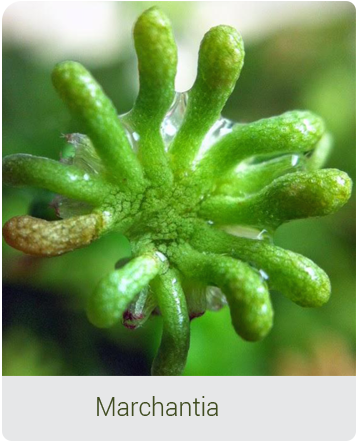
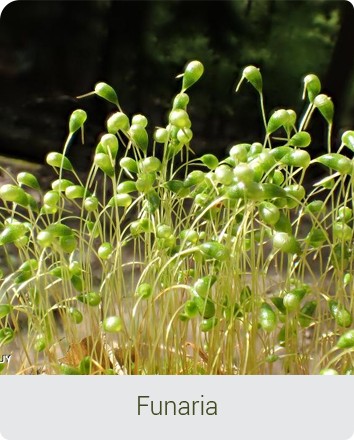
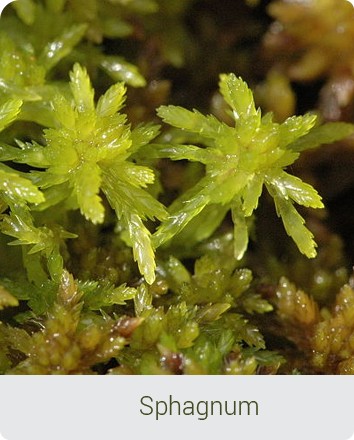
Examples: Marchantia, Funaria, Sphagnum, Antheoceros, etc.
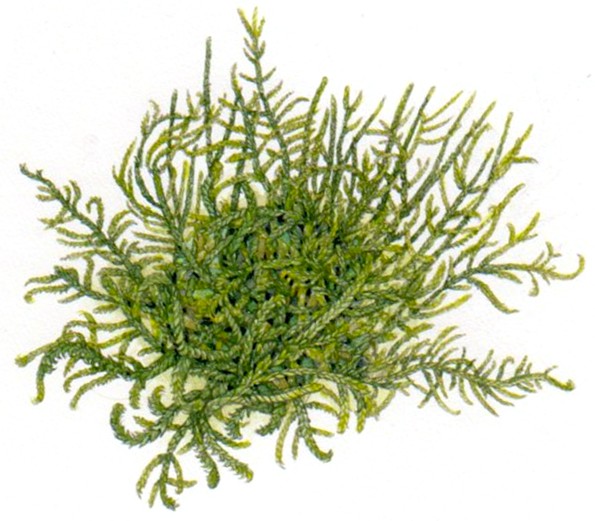
Some of the common examples are Marchantia, Funaria, Sphagnum, Antheoceros, etc.
Pteridophyta
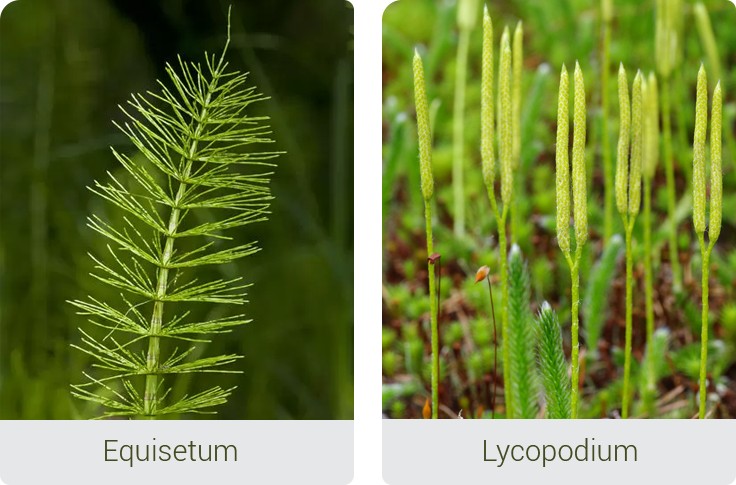
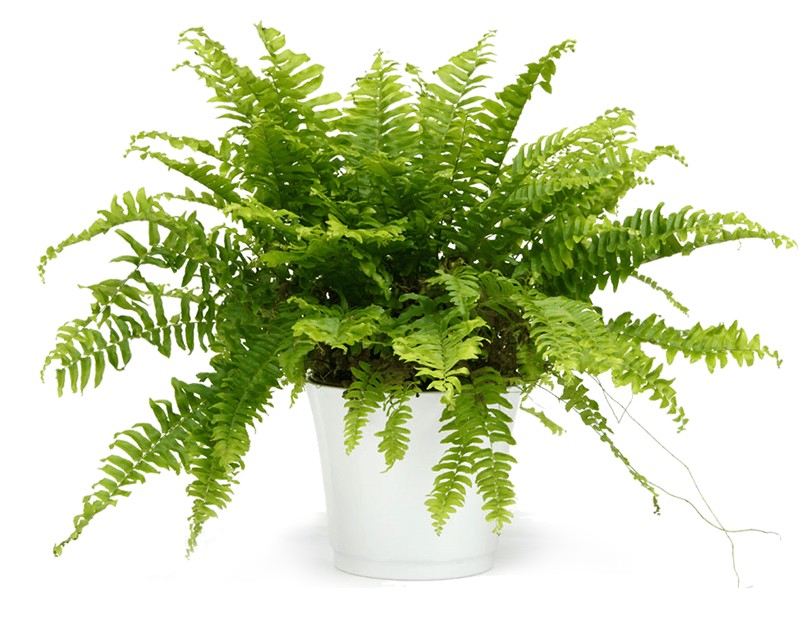
Terrestrial plants that prefer shade with feathers like fronds of ferns. They do not have seeds but a well-differentiated Sporophytic plant body with roots, stems, and leaves. They contain a vascular system for water conduction. Examples: Selaginella, Equisetum, Pteris, etc. Unlike other members of the Plant Kingdom, pteridophytes reproduce through spores instead of seeds.
Features of Pteridophyta:
• Seedless and vascular. They reproduce through spores. They contain vascular tissues but lack xylem vessels and phloem companion cells.
• They have a well-differentiated plant body into root, stem, and leaves.
• Sex organs are multicellular. The male sex organs are called antheridia, while the female sex organs are called archegonia.
• Spores develop in sporangia - the structure in which spores are formed. They are homosporous (one type of spore is produced) and heterosporous (two kinds of spores are produced.) Sporangia are produced in leaves that bear the sporangia called sporophylls.
• They show true alternation of generations.The sporophyte generation and the gametophyte generation are observed in Pteridophytes. The diploid sporophyte is the main plant body.
Sub-phyla:
A.Lycopsida: Differentiated into root, stem, and leaves. Leaves are usually small with a single unbranched vein. Sporangia develop in the axil of the sporophylls.
B.Sphenopsida: Stem is differentiated into nodes and internodes. The leaves are microphyllous, found in whorls at each of the nodes.
C.Psilopsida: Plant body is relatively less differentiated. Roots are absent in these plants, replaced by a dichotomously branched rhizome.
D.Pteropsida: Well-differentiated into root, stem, and leaves. The leaves are megaphyllous
Gymnosperms
Gymnosperms have a well-differentiated plant body without flowers and naked seeds and vascular tissues.
Features of Gymnosperms:
•Medium to tall trees, with a few shrub classes also present. Sequoia, one of the tallest tree species, is a gymnosperm.
•Plant body is separated into leaves, stems, and roots. Leaves are needle-like with a thick cuticle and sunken stomata. This supports a decrease in water loss due to transpiration.
•Taproot system. These roots have an association with fungi and form mycorrhiza. In other species like the Cycas plant, specialized roots called coralloid roots form and are related to nitrogen-fixing cyanobacteria. These plants are also vascular, with both xylem and phloem being existent.
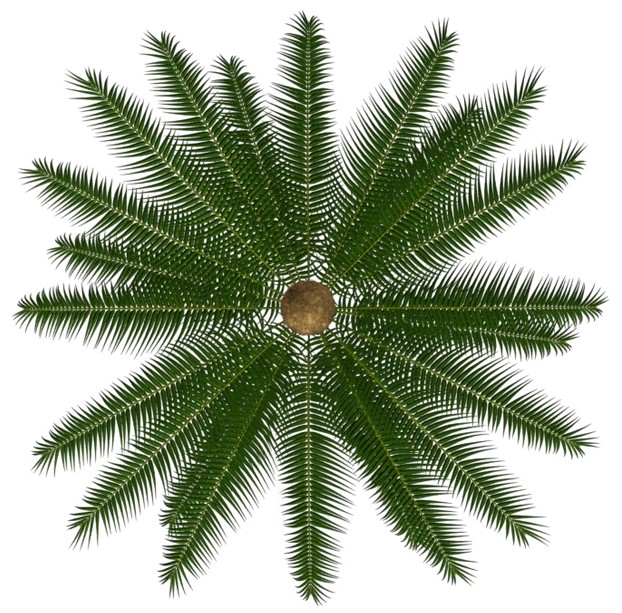
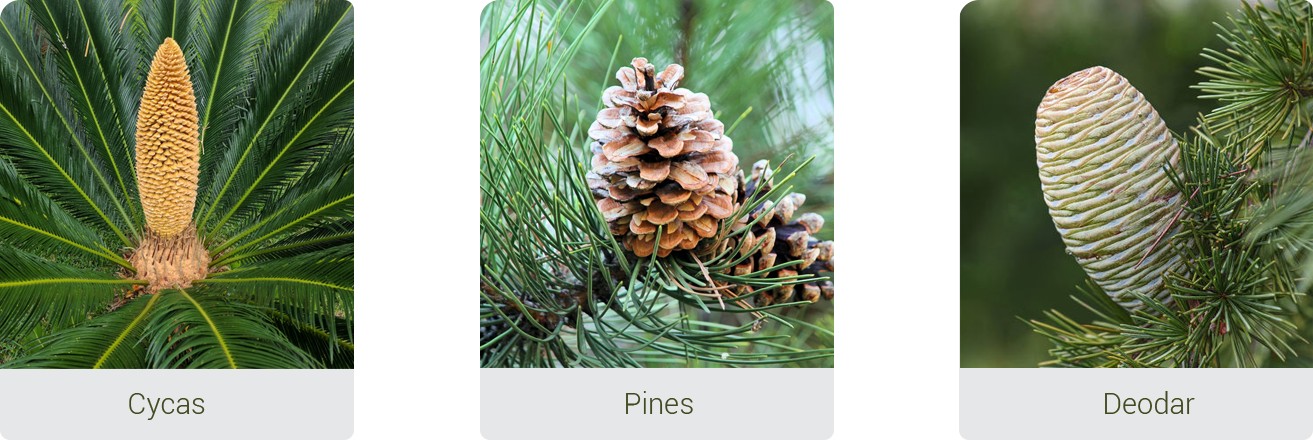
Some of the common examples are Cycas, Pines, deodar, redwood, etc.